





Low traffic neighbourhood LTN
A low traffic neighbourhood (LTN) is a scheme where motor vehicle traffic in residential streets is greatly reduced. Other terms describing similar approaches to highway and neighbourhood planning include: homezones or home zone residential areas, traffic management schemes, people friendly streets, modal filters, play streets, school street schemes, pedestrian priority schemes, pedestrian priority streets and so on.
The definition of a low traffic neighbourhood (LTN) used in the Statutory guidance - Implementing low traffic neighbourhoods published by the UK government reads "An area-wide traffic management scheme aimed at reducing or removing through traffic from residential areas, put in place using traffic signed restrictions or physical measures such as planters or bollards."
Sustrans defines the way low traffic neighbourhoods (LTNs) are created as being "by minimising the amount of traffic that comes from vehicles using the streets to get to another destination. This is often referred to as ‘through-traffic’ or ‘rat-running’. Private motorised vehicles still have easy access to all homes and businesses without driving directly through the neighbourhood. This opens up networks of streets so people can safely travel through the area on foot, bicycle, by wheeling or by bus. Emergency vehicles can also be prioritised to reach their destinations quicker.
"Traffic is reduced by using temporary or permanent barriers called “modal filters”. These can include putting up bollards or planters. Or they can be camera operated. Residents and businesses still have access to the neighbourhood by motor vehicle using different routes, but through-traffic is greatly reduced." Low Traffic Neighbourhoods; Research report. March 2024
In 2023 the Department for Transport commissioned a review of low traffic neighbourhoods (LTNs)
[edit] Related articles on Designing Buildings
- 15 minute city.
- Accessible.
- Are electric bikes the future?
- Close proximity.
- Connectivity.
- Cycling and walking plan.
- Designing for pedestrians.
- Integrated transport system.
- London car charging infrastructure.
- Low traffic neighbourhood LTN
- Pathway
- Pavement.
- Pedestrianised.
- Pedestrian shed.
- Pedestrian priority street.
- Pop-up cycle lanes.
- Road traffic management.
- Safe pedestrian route.
- Sustainable transport.
- Terraced houses and the public realm.
- Transport assessment.
- Types of road and street.
- Walkable catchment.
- Walking distance.
Featured articles
Check out some of the best features and news from Designing Buildings as well as key stories from around the web.

The heritage of nuclear and conventional power stations.
New measures to stop people being ripped off

Government to protect families from cowboy builders and aggressive bailiffs.

New Futurebuild showcase brings an innovation-first approach.
National Planning Policy Framework
Understanding the 2026 changes.
ECA's public affairs priorities

Member consultation opens to shape priorities for 2027 to 2030.

Dutyholder responsibilities from 1 July 2026.
Where performance meets practice

The Building Envelope Stage at UKCW Birmingham.
CIAT publishes briefing on planning reforms.
Leaders in Learning for Practice Network

Call for conservation leaders in learning to register interest in new network.
The importance of early engagement
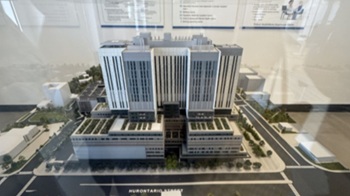
Construction lessons from the Trillium HealthWorks Experience Centre.
Mayors are to be given planning call in powers
Mayors across England will be able to make the most important planning decisions.

The Master Builder: William Butterfield and his times. Book review.